

Enhancing gut-brain communication reverses age-related cognitive decline in mice
A new study in mice has identified a critical link between gut bacteria and age-related cognitive decline. …
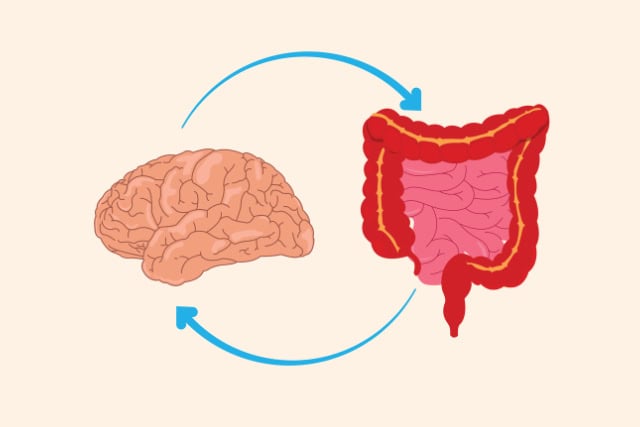
A new study in mice has identified a critical link between gut bacteria and age-related cognitive decline. …

Researchers discovered that certain immune cells in early-life skin are more reactive than in adults, which may explain why eczema often begins in childhood. …

New research shows a ketogenic diet reduced high blood sugar in mice and enhanced their aerobic capacity. …

A new study in mice finds that an unhealthy diet early in life causes lasting changes in the brain and feeding behavior, but interventions targeting the gut microbiome can help restore healthy eating habits. …

Study finds that an exercise-induced liver protein strengthens the blood-brain barrier, improving memory and slowing age-related decline. …
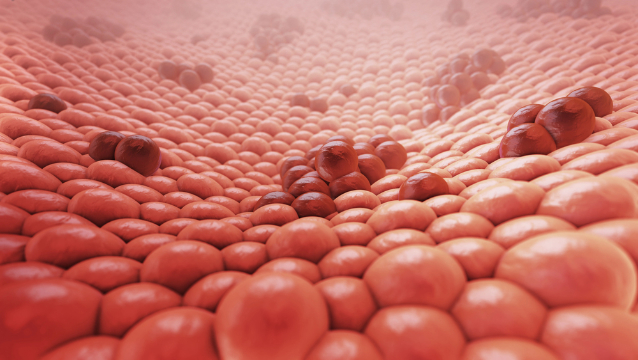
A new study in mice hints at the potential to use tiny RNA nanoparticles to deliver chemotherapy drugs and other therapies directly to tumors, killing cancer cells without generating an immune response or toxicity-related side effects. …

Brain estrogen levels, along with differences in estrogen receptors between men and women, help explain why women are more likely to develop post-traumatic stress disorder and face a higher risk of dementia later in life. …
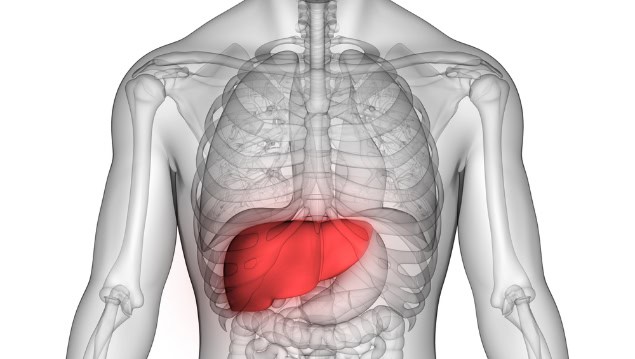
A high-fat diet causes mature liver cells to revert to an immature, stem-cell-like state, increasing their survival under stress but also raising the risk of liver cancer. …

Researchers demonstrated that mRNA technology can temporarily reprogram the liver in older mice to produce essential immune factors, restoring the generation of new immune cells and enabling strong immune responses to effectively combat tumors. …
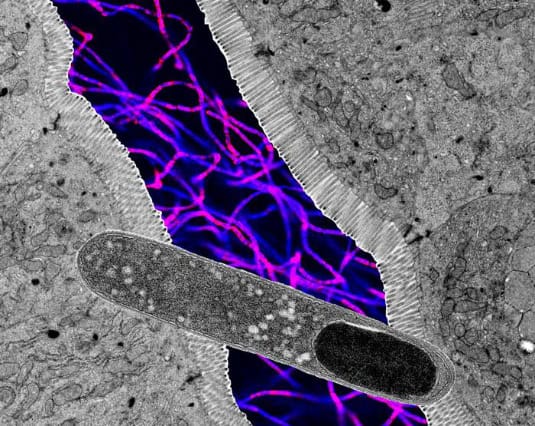
Study identifies a species of gut bacteria that improves metabolic health and reduces weight gain in mice, suggesting the potential for weight control by modifying gut bacteria. …
End of content
End of content