

mRNA vaccines follow unconventional immune path to destroy tumors
mRNA vaccines can trigger strong anti-tumor immune responses through an unexpected immune cell mechanism. …
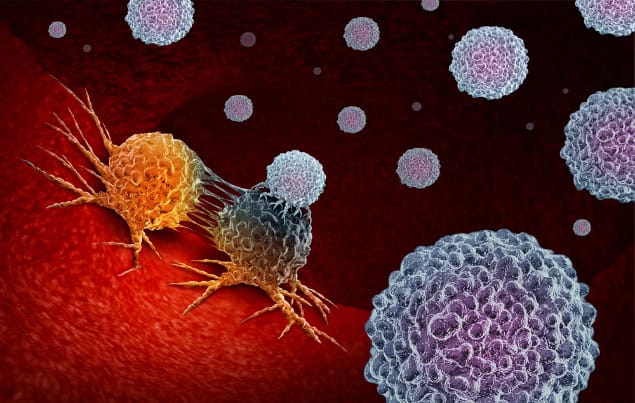
mRNA vaccines can trigger strong anti-tumor immune responses through an unexpected immune cell mechanism. …
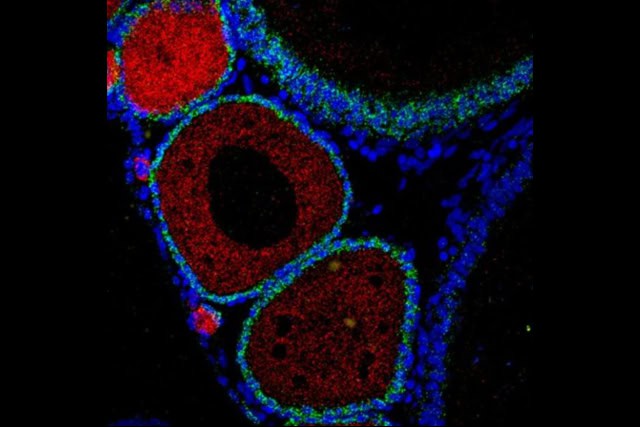
New research shows that dialing down an overactive immune sensor can restore tissue health in severe genetic disorders, reshaping how scientists think about aging and DNA damage. …
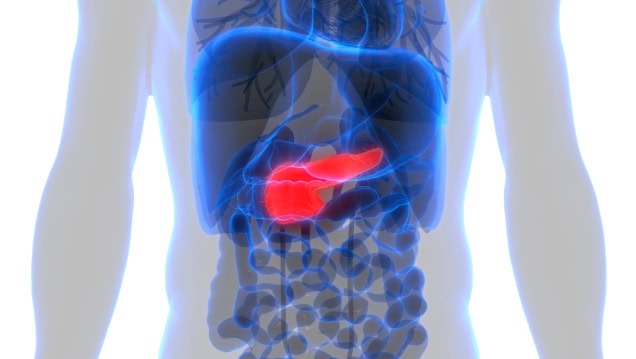
Researchers have uncovered a key reason why immunotherapy has largely failed in pancreatic cancer and have identified a promising strategy to overcome this resistance. …

Research shows that the amino acid cysteine promotes the production of the antioxidant glutathione, which regulates T-cell activity, and also supports T-cell proliferation and maintenance of their cancer-fighting function. …

Researchers identify the role of gut-derived cells in antigen presentation as a key initiator of autoimmune neuroinflammation. …

Vitamin D supplementation may help shape how the immune system responds to gut bacteria in people with inflammatory bowel disease. …
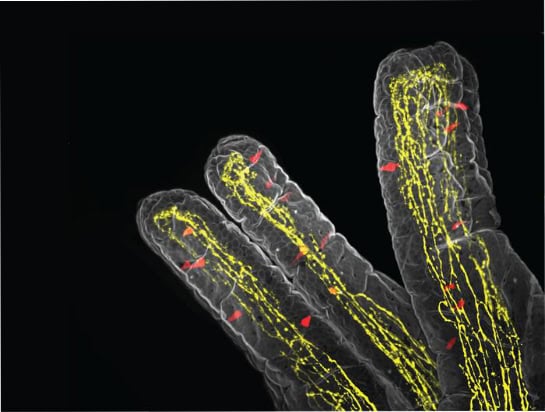
Scientists have traced the molecular pathway connecting the gut immune system to the brain during a parasitic infection, explaining how the immune response triggers loss of appetite. …
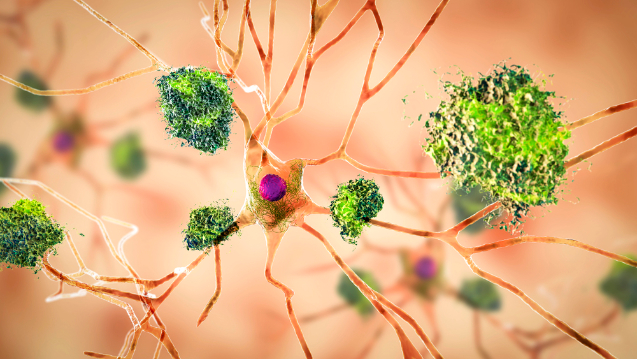
A single injection of a new cellular immunotherapy prevents and reduces amyloid plaques in mice. …

A multi-institutional study reports that pairing a next-generation immunotherapy with standard hormone therapy before surgery may help overcome a long-standing barrier in early-stage prostate cancer treatment. …

Researchers discovered that certain immune cells in early-life skin are more reactive than in adults, which may explain why eczema often begins in childhood. …
End of content
End of content