

Common food preservatives linked to high blood pressure and heart disease
A large prospective study finds that consuming foods containing common preservative additives may increase the risk of high blood pressure and cardiovascular disease. …

A large prospective study finds that consuming foods containing common preservative additives may increase the risk of high blood pressure and cardiovascular disease. …

In obese individuals, active brown fat is associated with significantly lower arterial inflammation, suggesting that it may protect against atherosclerosis and related heart attacks and strokes. …

Timing exercise according to chronotype—the natural tendency for morning or evening alertness—improves sleep quality and reduces cardiovascular risk factors in vulnerable adults. …

A long-term longitudinal study of 20,811 adults aged 35 to 64 years suggests that extended periods of mentally passive sitting increase the risk of dementia, while replacing passive sitting with mentally active sedentary activities reduces this risk. …

Increasing overnight fasting by three hours to align with sleep patterns improved cardiometabolic health in middle-aged and older adults at higher risk of cardiometabolic disease. …

A new study found that adults who stay up late and are active at night are more likely to have poor cardiovascular health scores than those with more typical sleep-wake schedules. …
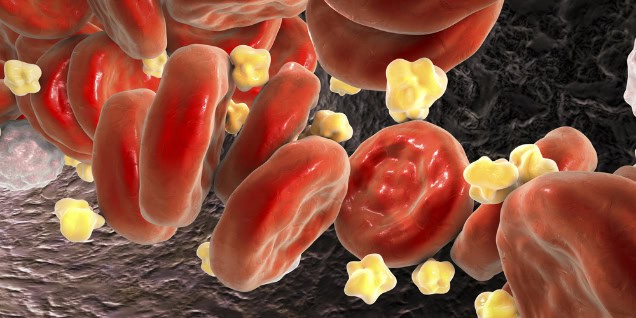
An oral compound was developed to lower triglycerides by selectively inhibiting Liver X Receptor in the liver and gut, offering a potential treatment for high triglyceride-related diseases. …

Beige fat suppresses an enzyme that contributes to high blood pressure, uncovering a new molecular pathway and identifying a potential target for future precision therapies. …

New research integrates heart imaging data into a knowledge graph, improving the accuracy of identifying disease-related genes and potential drug treatments for the heart. …
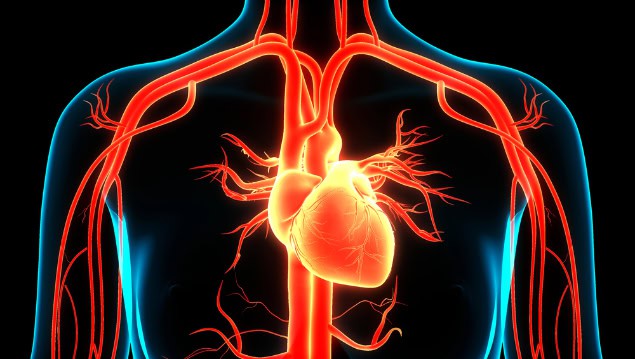
An international analysis has shown that when people with prediabetes bring their blood sugar levels back into the normal range through lifestyle changes, their risk of heart attack, heart failure, and premature death is reduced by half. …
End of content
End of content