
Fatty liver-induced gut microbiome dysbiosis is a key driver of gastrointestinal infection severity
University of California – Irvine | 04-15-2026
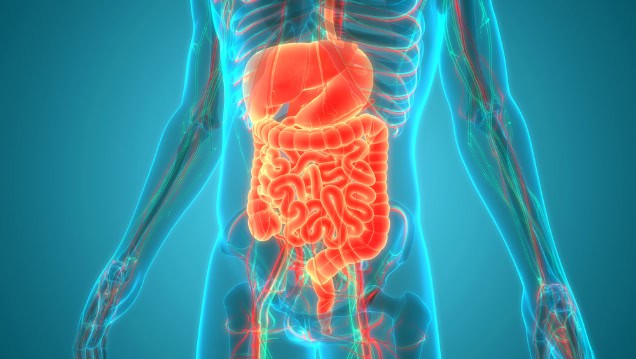
A research team led by the University of California, Irvine’s Joe C. Wen School of Population & Public Health has uncovered a critical biological link explaining why individuals with metabolic dysfunction–associated steatotic liver disease (MASLD), or fatty liver disease, face significantly worse outcomes from certain foodborne infections.
The study published this week in the journal Gut Microbes is the first to show how changes in the connection between the gut and liver can make foodborne infections more severe – an illness that is becoming a growing global health concern.
MASLD is the most common chronic liver disease affecting millions worldwide. Symptoms can range from mild fat accumulation to more severe conditions such as cirrhosis and liver cancer. Patients with MASLD frequently experience comorbidity conditions like obesity, type 2 diabetes, and hypertension. Emerging evidence has also linked MASLD to increased susceptibility to infections, but the biological mechanisms have remained unclear – until now.
In a study conducted on mice, the researchers found that MASLD dramatically worsens outcomes following infection with Vibrio vulnificus, a potentially life-threatening foodborne bacterium commonly associated with seafood consumption. A mouse with MASLD exhibited significantly greater liver damage, inflammation, and fibrosis compared to a healthy mouse after oral exposure to the pathogen.
“Our findings show that underlying liver disease doesn’t just increase infection risk – it fundamentally changes how the body responds,” said corresponding author Saurabh Chatterjee, Ph.D., professor of environmental & occupational health at Wen Public Health. “We identified the gut microbiome as a central player in driving these severe outcomes.”
The study highlights how MASLD disrupts normal gut function, leading to increased intestinal permeability, altered immune responses, and microbial imbalance – collectively known as gut dysbiosis. These changes allow harmful bacteria and inflammatory signals to more easily travel from the gut to the liver through what is known as the gut–liver axis.
As a result, MASLD mice exposed to Vibrio vulnificus experienced significantly more severe outcomes, including elevated markers of liver injury and systemic inflammation, increased levels of iron-related proteins that can fuel bacterial growth, heightened activation of pro-inflammatory immune cells, and faster progression to liver scarring and early cirrhotic changes. In contrast, healthy mice exposed to the same pathogen showed far less severe effects.
The researchers also found that the gut microbiome plays a critical role in shaping these outcomes. When a healthy microbiome was restored after infection, MASLD mice showed marked improvements, including reduced liver damage, inflammation, and fibrosis.
“These results suggest that the gut microbiome isn’t just a bystander – it’s a modifiable factor that could be targeted to reduce infection severity,” said first author Punnag Saha, Ph.D., a former graduate student researcher in Chatterjee’s Lab. “Therapies such as microbiome restoration may hold promise for protecting high-risk patients.”
Non-cholera vibriosis, caused by bacteria such as Vibrio vulnificus and Vibrio parahaemolyticus, affects an estimated half a million people globally each year. Cases are rising, driven in part by climate change, warming ocean temperatures, and shifting environmental conditions. Patients with chronic liver disease are already known to face a higher risk, with some estimates suggesting up to a fivefold increase in severe infection.
By identifying how gut microbiome dysfunction contributes to this infection’s outcomes, this study provides critical insight into why patients with MASLD are particularly vulnerable. These findings lay the groundwork for future clinical strategies focused on prevention, risk reduction, and microbiome-based interventions to better protect at-risk populations as cases continue to rise.
Source:
Materials provided by University of California – Irvine. Content may be edited for clarity, style, and length. For more details, including the full list of authors and their affiliations, please consult the journal article.