
Diet remodels chromatin structure and extends survival in animal models of glioma
Baylor College of Medicine | 06-10-2026
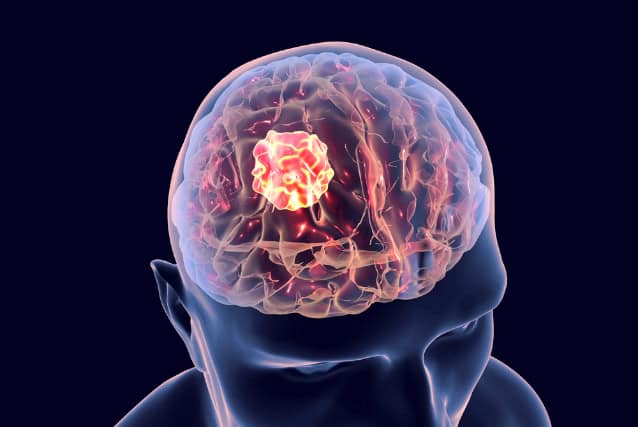
An unexpected lab observation led a team of scientists to discover how diet can influence survival in animal models of glioma, one of the most aggressive and deadly forms of brain cancer.
Researchers at Baylor College of Medicine, the Duncan Neurological Research Institute (Duncan NRI) at Texas Children’s Hospital, and collaborating institutions report in the Proceedings of the National Academy of Sciences how limiting a single nutrient, the amino acid methionine, in the diet destabilized DNA organization and led to cancer cell death and increased animal survival. These findings open new possibilities for treating one of the most challenging forms of brain cancer.
“Cancer cells, including gliomas, often depend on methionine. Methionine is an essential amino acid, meaning that the body does not produce it on its own, it must consume it in the diet. Glioma cells are unusually dependent on methionine to fuel rapid growth and control gene activity,” said corresponding author Dr. Benjamin Deneen, professor and Dr. Russell J. and Marian K. Blattner Chair in the Department of Neurosurgery and director of the Center for Cancer Neuroscience, all at Baylor.
“In the current study, we wanted to know, if tumors depend so much on methionine, what happens if we reduce the supply?” said first author Brittney Lozzi, graduate student in the Deneen lab.
To answer this question, the team used a mouse model of high-grade glioma. They fed a group of mice a normal diet that included methionine, while another group received a methionine-restricted diet. The results were striking. Mice whose diets were low in methionine lived longer and had slower-growing tumors. But how does methionine restriction slow tumor growth?
“I was looking under the microscope at glioma cells from mice in a methionine-restricted diet when I noticed that the DNA inside the tumors looked different,” Lozzi said. “Instead of its usual compact organization, it appeared partially unraveled.”
This unexpected observation suggested that methionine-restriction affected how chromatin, the way DNA is packed in the cell nucleus, is organized. Chromatin organization is known to alter gene activity, changing which genes are turned on or off. In this case, gene expression changes ultimately slowed tumor growth and resulted in cancer cell death, which extended animal survival.
“To better understand how this chromatin rearrangement happened, we looked at ways cells typically keep chromatin organized, what proteins are involved in this process,” Lozzi said. “Previous studies from our lab and colleagues had uncovered several chromatin organizing proteins associated with predisposition to familial glioma. In this study, we focused on one of them, Hp1bp3, which normally helps keep chromatin organized.”
Hp1bp3 keeps chromatin stable by suppressing enzymes, called histone demethylases, that strip away methyl chemical tags that turn genes off. Without those tags in place, chromatin unravels in ways that fuel cancer growth.
“We knew that methionine is involved in providing methyl groups to cells,” Lozzi said. “Could Hp1bp3 and methionine be working together to regulate which regions of DNA are marked with methyl groups and which are not?”
When the researchers removed or reduced Hp1bp3, tumors grew faster, and mice died sooner. At the cellular level, losing Hp1bp3 opened and disorganized the chromatin and promoted tumor growth. “We expected that restricting methionine in these mice might help control cancer growth, but the results were surprising,” Lozzi said.
The team found that tumors lacking Hp1bp3 became more sensitive to methionine restriction. When both conditions were present – low methionine and loss of Hp1bp3 – tumor growth was significantly reduced, and survival improved even more than anticipated.
The researchers propose that without Hp1bp3, the chromatin is already unstable. When methionine is also limited, cells struggle to maintain proper methylation patterns. This combination pushes the tumor cells beyond their ability to cope, leading to increased stress and cell death, which increases animal survival.
“The findings reveal a connection between diet, gene regulation and cancer growth that opens new possibilities for treating one of the most severe brain tumors,” Deneen said. He is also a member of the Dan L Duncan Comprehensive Cancer Center at Baylor and a principal investigator at the Duncan NRI. “More research is needed to determine whether restricting methionine or other dietary components is safe and effective as a part of glioma therapies.”
Source:
Materials provided by Baylor College of Medicine. Content may be edited for clarity, style, and length. Please refer to the journal article for additional information, including the complete list of authors and their affiliations, as well as details on conflicts of interest, financial disclosures, and funding.