
Gut bacteria convert dietary nitrate and iron into protective molecules
Karolinska Institutet | 08-19-2026
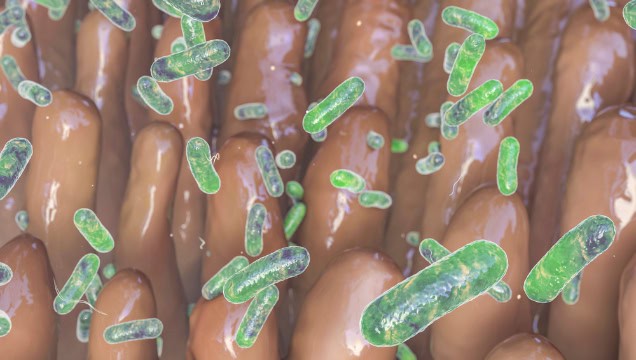
Researchers at Karolinska Institutet have discovered that gut bacteria can convert dietary nitrate and iron into protective molecules that may reduce the risk of cardiovascular and metabolic diseases. The study, published in Cell, reveals a new way in which the gut microbiota helps protect vital bodily functions.
Nitrate occurs naturally in many vegetables, particularly beetroot and leafy greens such as spinach, rocket and lettuce. Non-heme iron – the form of iron found in plant-based foods such as beans, whole grains and green vegetables – also occurs naturally in the diet. The researchers have shown that gut bacteria can convert nitrate and non-heme iron from food into so-called dinitrosyl iron complexes (DNICs), which are absorbed by the body and transported to various organs, primarily the liver and kidneys.
The study is based on experiments involving mice, cells, bacteria, and human samples. Using advanced analytical methods, the researchers were able to identify DNIC in various tissues and demonstrated that these molecules are completely absent in germ-free mice, suggesting that the gut microbiota is crucial for their formation.
“Our results show that gut bacteria can convert components in food into biologically active molecules that influence important bodily functions,” says Andrei L. Kleschyov, Senior Researcher at the Department of Physiology and Pharmacology, Karolinska Institutet, the study’s first and co-corresponding author.
When the researchers increased DNIC levels, either through dietary supplements containing nitrate and iron or by administering synthetically produced DNIC, several health markers improved in an animal model of cardiovascular and metabolic disease.
“Among other things, we observed lower blood pressure and improved vascular function, better blood sugar control and reduced fat accumulation in the liver. The results help to explain why a diet rich in vegetables, which contain both nitrate and iron, is linked to a lower risk of several diseases,” says Mattias Carlström, Professor of Cardiorenal Physiology at the Department of Physiology and Pharmacology, Karolinska Institutet, one of the study’s shared last authors together with Professor Jon Lundberg at the same department, and co-corresponding author.
The findings point to a previously unknown mechanism whereby a specific diet, in interaction with certain gut bacteria, can promote health, according to the researchers. At the same time, they emphasise that the study is largely based on experimental models and that further research is needed to clarify how the process works in humans.
The next step is to develop methods for measuring DNIC in humans and to investigate how these molecules are formed, transported within the body, and affect various physiological functions. The researchers also wish to study whether diet or changes in the gut microbiota can be used to influence DNIC levels and thereby prevent disease.
Source:
Materials provided by Karolinska Institutet. Content may be edited for clarity, style, and length. Please refer to the journal article for additional information, including the complete list of authors and their affiliations, as well as details on conflicts of interest, financial disclosures, and funding.